


Today’s gasoline, especially fuel containing ethanol, can cause deposits, moisture buildup, corrosion, and hard starting if left sitting in the fuel tank for weeks or months. That’s where a quality lawn mower fuel additive comes in.
The best lawn mower fuel additives clean the fuel system, stabilize gasoline during storage, reduce carbon deposits, and protect against corrosion.
Best Lawn Mower Fuel Additive
1. STA-BIL Storage Fuel Stabilizer

- PRESERVES FUEL: This fuel stabilizer ensures keeps gasoline fresh for up to 24 months for storing vehicles that are not …
- PREVENTS CORROSION: Safeguard your engine & fuel system from the detrimental effects of both ethanol & non-ethanol fuels…
- EASY STARTS: Guarantees quick & easy starts for your equipment & vehicles, providing peace of mind when storing them. Wi…
STA-BIL Storage Fuel Stabilizer is one of the most trusted products for seasonal equipment. It’s designed to keep gasoline fresh for up to 24 months, making it ideal for winter storage.
Key Features
- Keeps fuel fresh for up to 24 months
- Prevents gum and varnish formation
- Protects fuel system components
- Works with ethanol-blended gasoline
- Suitable for all gasoline lawn mower engines
- Easy-to-measure bottle
Best For
- Seasonal storage
- Riding mowers
- Push mowers
- Zero-turn mowers
- Snow blowers and generators
Pros
- Excellent long-term protection
- Prevents carburetor problems
- Easy to use
Cons
- Primarily a stabilizer rather than a cleaner
Related Can I Use Trufuel in My Lawn Mower(5 Benefits)
2. Sea Foam Motor Treatment
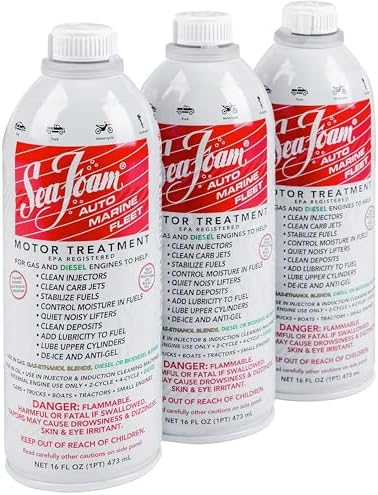
- DEEP FUEL SYSTEM CLEANING Helps restore lost power, smooth out rough idle, recover lost MPG, and overcome other common e…
- FUEL ADDITIVE FOR GAS & DIESEL: Cleans fuel residue and varnish for smoother idling and cleaner combustion in gasoline a…
- OIL TREATMENT FOR ENGINE CLEANING: Cleans sludge and deposits in motor oil crankcases to support lubrication and longer …
Sea Foam Motor Treatment has earned a reputation as one of the most versatile fuel additives available. It cleans fuel systems while also lubricating upper engine components.
Key Features
- Cleans carburetors and fuel injectors
- Removes carbon deposits
- Stabilizes fuel
- Lubricates upper cylinders
- Safe for ethanol fuel
- Compatible with 2-cycle and 4-cycle engines
Best For
- Older lawn mowers
- Rough-running engines
- Hard starting problems
- Seasonal maintenance
Pros
- Excellent cleaning ability
- Multi-purpose formula
- Widely recommended by mechanics
Cons
- May require multiple treatments for heavily clogged systems
Related Four Stroke Lawn Mower Oil(5 Best Picks 2026)
3. Star Tron Enzyme Fuel Treatment

- Allows all engines to start easily and run smoothly, even when using ethanol-blended fuel or after sitting idle for mont…
- Cures and prevents most ethanol problems
- Stabilizes fuel for up to two years and helps rejuvenate old fuel
Star Tron uses enzyme technology to improve fuel quality while helping break down carbon deposits and moisture contamination.
Key Features
- Enzyme-based fuel treatment
- Improves fuel combustion
- Helps eliminate carbon buildup
- Reduces moisture problems
- Stabilizes gasoline
- Suitable for ethanol-blended fuels
Best For
- Ethanol fuel protection
- Equipment used year-round
- Commercial lawn equipment
Pros
- Helps improve fuel economy
- Excellent moisture control
- Treats large amounts of fuel
Cons
- Effects may take several tanks to become noticeable
Related Best Lawn Mower Engine(7 Best Picks 2026)
4. Lucas Oil Fuel Treatment

- The world’s #1 fuel additive for both gasoline and diesel engines
- A great tune-up in a bottle – treats gasoline, diesel fuel and increases MPG
- Cleans and lubricates the fuel system, including fuel injectors, carburetor and combustion chamber
Lucas Oil Fuel Treatment is popular among small engine owners for its cleaning properties and lubrication benefits.
Key Features
- Cleans fuel injectors and carburetors
- Improves fuel system lubrication
- Reduces carbon deposits
- Neutralizes low sulfur fuel effects
- Helps reduce engine knocking
- Safe for gasoline engines
Best For
- Older lawn mowers
- Engines with rough idle
- Routine maintenance
Pros
- Excellent lubricating properties
- Trusted brand
- Easy to measure
Cons
- Not intended as a long-term fuel stabilizer
Related What Type of Gas to Use in a Lawn Mower(Avoid These 2)
5. STA-BIL 360 Protection Ethanol Treatment
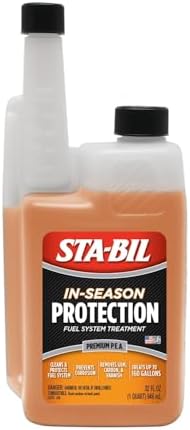
- FUEL SYSTEM CLEANER: Cleanses the entire fuel system, including fuel injectors, lines, & fuel pumps, this formula remove…
- CORROSION PROTECTION: Industry-leading rust and corrosion protection for all internal fuel system parts
- MPG BOOSTER: Designed to optimize fuel performance which contributes to enhanced gas mileage & improved engine power. Th…
STA-BIL 360 Protection is designed specifically for today’s ethanol-blended gasoline, offering both cleaning and corrosion protection.
Key Features
- Protects against ethanol damage
- Cleans the fuel system
- Removes water from fuel
- Prevents corrosion
- Stabilizes gasoline
- Improves engine performance
Best For
- E10 gasoline
- Residential lawn mowers
- Zero-turn mowers
- Riding tractors
Pros
- Excellent ethanol protection
- Cleans while stabilizing fuel
- Easy to use regularly
Cons
- More expensive than basic stabilizers
Related Best Lawn Mower Batteries(Top 7 Picks 2026)
Why Use a Fuel Additive in a Lawn Mower?
Modern gasoline deteriorates surprisingly fast. After about 30 days, fuel can begin to oxidize and form varnish deposits that clog carburetors and fuel injectors.
A quality fuel additive helps by:
- Stabilizing gasoline during storage
- Preventing fuel oxidation
- Cleaning carburetors and injectors
- Removing carbon deposits
- Protecting against rust and corrosion
- Reducing hard starts
- Improving throttle response
- Helping engines idle more smoothly
These benefits are especially important if your mower sits unused during winter or between mowing seasons.
Related Lawn Mower Tune Up Kits(Top 5 Best Picks 2026)
How to Choose the Best Lawn Mower Fuel Additive
When selecting a fuel additive, consider these important factors.
Fuel Stabilization
If your mower is stored for months at a time, choose a product specifically designed to stabilize gasoline.
Cleaning Ability
If your mower runs rough or starts poorly, look for additives that remove carbon deposits and clean carburetors.
Ethanol Protection
Most gasoline sold in the United States contains ethanol. Choose an additive that protects against moisture absorption and corrosion.
Engine Compatibility
Most quality additives are compatible with:
- Walk-behind mowers
- Riding lawn mowers
- Zero-turn mowers
- Garden tractors
- Small utility engines
- Generators
- Pressure washers
Always verify compatibility before use.
How Often Should You Use Fuel Additive?
For most homeowners:
- Add stabilizer whenever storing fuel for more than 30 days.
- Use cleaning additives every few tanks during the mowing season.
- Treat fresh gasoline before filling the mower whenever possible.
- Follow the dosage instructions on the product label to avoid over-treating the fuel.
Regular use can help prevent carburetor issues and keep the engine running efficiently.
Can Fuel Additives Fix a Dirty Carburetor?
Fuel additives can dissolve light varnish and carbon deposits over time, but they are not a cure for a severely clogged carburetor. If the mower won’t start or runs only with the choke engaged, the carburetor may need to be removed and cleaned manually.
Additives work best as preventive maintenance rather than a repair for major fuel system problems.
Tips for Keeping Lawn Mower Fuel Fresh
In addition to using a fuel additive, follow these fuel care practices:
- Buy only enough gasoline for 30 to 60 days of use.
- Store fuel in an approved fuel container.
- Keep containers tightly sealed.
- Avoid leaving gasoline in the mower over winter without stabilizer.
- Fill the tank with fresh fuel at the beginning of each mowing season.
- Run the engine for several minutes after adding a stabilizer so the treated fuel reaches the carburetor.
These simple habits can reduce fuel-related problems and extend the life of your mower.
Frequently Asked Questions
What is the best fuel additive for lawn mowers?
STA-BIL Storage Fuel Stabilizer and Sea Foam Motor Treatment are among the best options. STA-BIL excels at preserving fuel during storage, while Sea Foam is ideal for cleaning carburetors and removing deposits.
Do fuel additives really work?
Yes. Quality fuel additives can stabilize gasoline, reduce carbon buildup, clean fuel system components, and protect against corrosion. They are most effective when used as preventive maintenance.
Can I use automotive fuel additives in a lawn mower?
Many gasoline fuel additives, such as Sea Foam, Lucas Oil Fuel Treatment, and STA-BIL, are safe for small engines. Always check the manufacturer’s directions to ensure compatibility.
Should I add fuel stabilizer every time I fill the tank?
If you use your mower frequently, it isn’t always necessary. However, if the fuel may sit for more than 30 days, adding a stabilizer is recommended to prevent gasoline from degrading.
Will a fuel additive improve mower performance?
A good fuel additive can improve starting, smooth idle quality, throttle response, and overall engine performance by keeping the fuel system clean and protecting gasoline from deterioration.
Final Thoughts
A quality fuel additive is an inexpensive way to protect your lawn mower from common fuel-related issues such as clogged carburetors, corrosion, and stale gasoline. Whether you need long-term fuel storage protection or a cleaner to keep your engine running at its best, the right product can improve starting, performance, and overall reliability.
For seasonal storage, STA-BIL Storage Fuel Stabilizer remains one of the best choices. If your mower needs a thorough fuel system cleaning, Sea Foam Motor Treatment is an excellent option. For ethanol protection, STA-BIL 360 Protection and Star Tron Enzyme Fuel Treatment are standout performers, while Lucas Oil Fuel Treatment offers reliable cleaning and lubrication for routine maintenance.
Choosing the right additive and using it consistently will help your lawn mower start easier, run smoother, and last longer, saving you time and money on repairs throughout the mowing season.