

Homemade fertilizers recycle kitchen waste, reduce landfill waste, and provide essential nutrients such as nitrogen (N), phosphorus (P), and potassium (K).
In this guide, you’ll learn the best homemade fertilizers, how to make them, and when to use each one.
Homemade Fertilizer for Plants
1. Compost
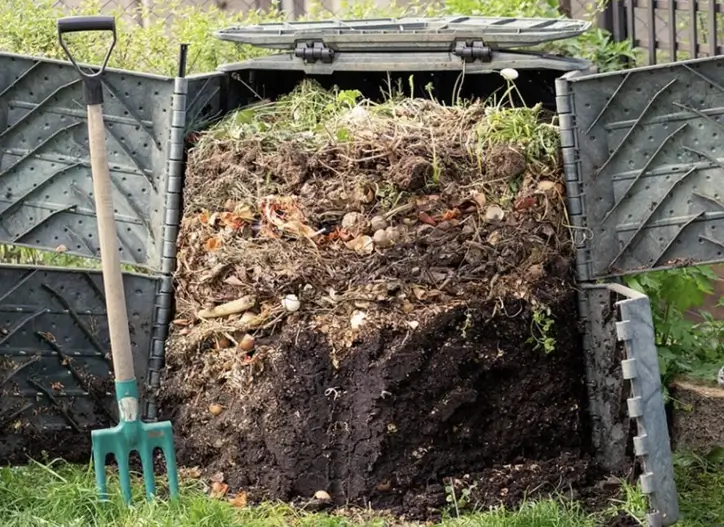
Compost is often called “black gold” because it contains a balanced mix of nutrients.
How to Make It
Combine:
- Fruit scraps
- Vegetable peels
- Coffee grounds
- Eggshells
- Grass clippings
- Dry leaves
Allow the pile to decompose for several months while turning it regularly.
Best For
- Vegetable gardens
- Flower beds
- Trees
- Shrubs
- Lawn improvement
Related Lawn Fertilizer Spreader Settings(for All Spreader Types)
2. Banana Peel Fertilizer
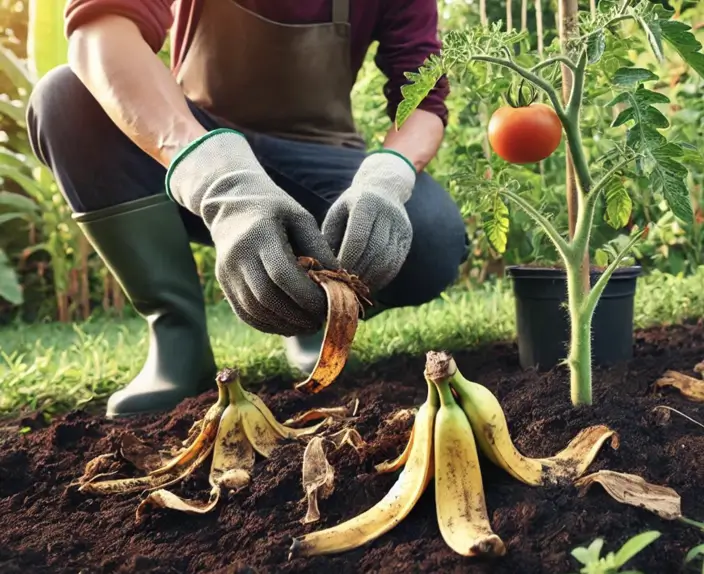
Banana peels are rich in potassium, phosphorus, and calcium.
How to Use
Method 1:
- Chop the peels into small pieces.
- Bury them around plant roots.
Method 2:
- Soak banana peels in water for 48 hours.
- Use the water to irrigate plants.
Best For
- Tomatoes
- Roses
- Peppers
- Flowering plants
Related Best Lawn Clover Killer(5 Best Options 2026)
3. Eggshell Fertilizer
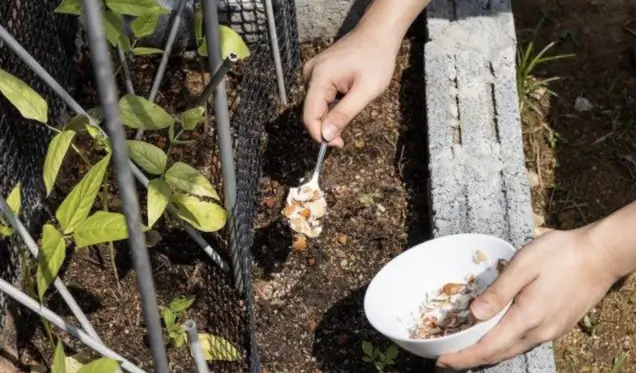
Eggshells provide calcium, which helps prevent blossom-end rot in tomatoes and peppers.
How to Prepare
- Wash shells.
- Dry completely.
- Crush into powder using a blender or mortar.
Sprinkle around plants or mix into soil.
Best For
- Tomatoes
- Peppers
- Eggplants
- Indoor plants
Related Lawn Disease Identification Chart(For All Diseases Types + Control)
4. Coffee Grounds
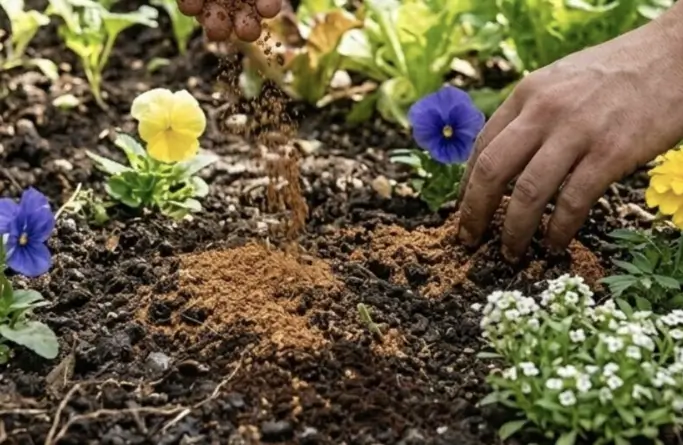
Used coffee grounds contain nitrogen and improve soil texture.
How to Apply
- Sprinkle a thin layer around plants.
- Mix into compost.
- Add small amounts directly to garden soil.
Avoid using excessive amounts because they may make the soil too acidic.
Best For
- Roses
- Blueberries
- Azaleas
- Hydrangeas
Related Nitrogen vs Iron for Lawns(Which is Best?)
5. Epsom Salt Solution
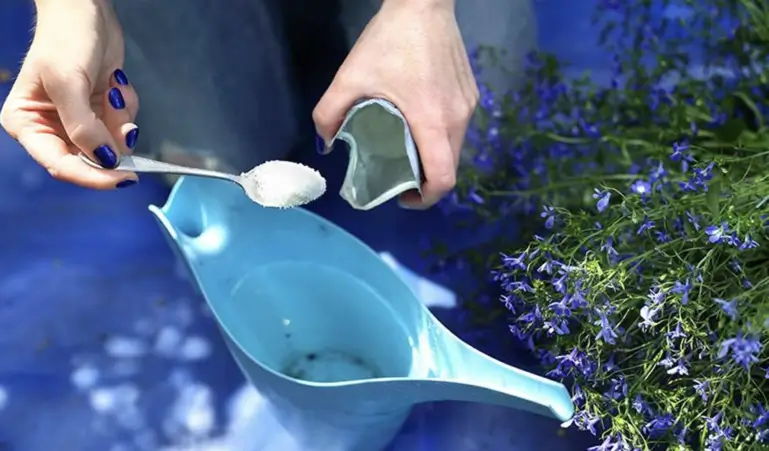
Epsom salt contains magnesium and sulfur.
Recipe
Mix:
- 1 tablespoon Epsom salt
- 1 gallon of water
Water plants once every month.
Best For
- Tomatoes
- Peppers
- Roses
- Houseplants
6. Rice Water
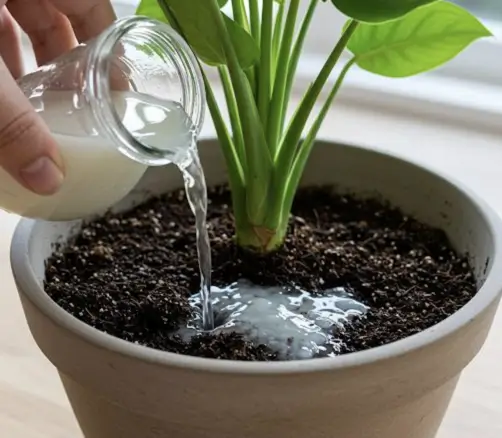
The leftover water from washing rice contains small amounts of minerals and starch.
How to Use
Allow the water to cool, then pour it directly onto the soil.
Avoid salted or flavored rice water.
Best For
- Indoor plants
- Herbs
- Vegetables
Related Ironite vs Milorganite(Comprehensive Comparison, which to Choose)
7. Aquarium Water
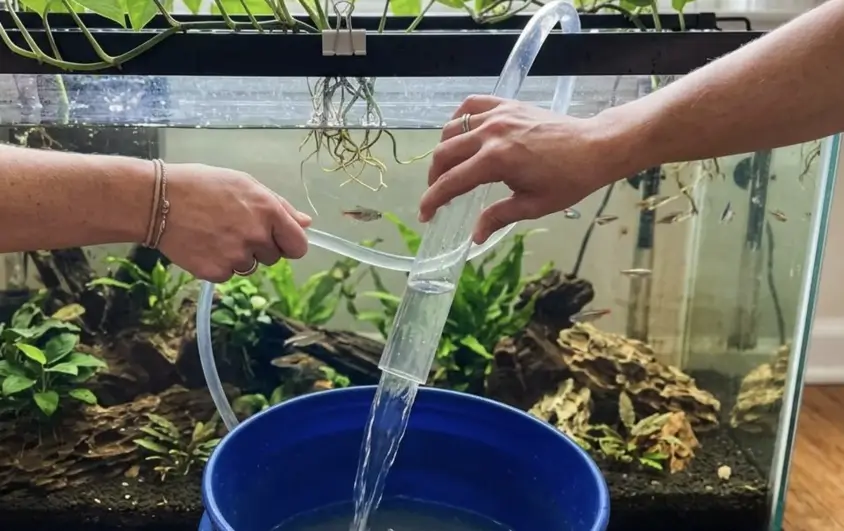
Used aquarium water is rich in nitrogen from fish waste.
Instead of throwing it away during tank cleaning, use it to water plants.
Best For
- Leafy vegetables
- Indoor plants
- Garden flowers
8. Wood Ash
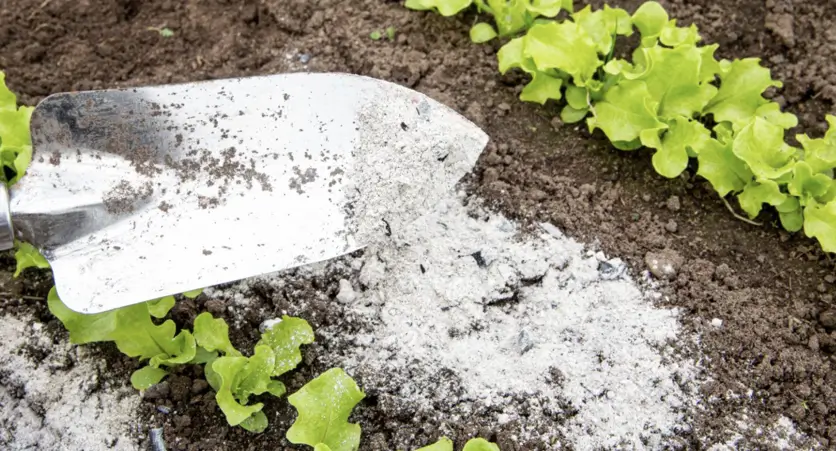
Wood ash contains potassium and calcium.
How to Apply
Sprinkle lightly around plants and mix into the soil.
Avoid using wood ash on acid-loving plants.
Best For
- Onions
- Garlic
- Beans
- Root vegetables
Related Best Lawn Grub Killer(Top 5 Picks 2026)
9. Grass Clipping Tea
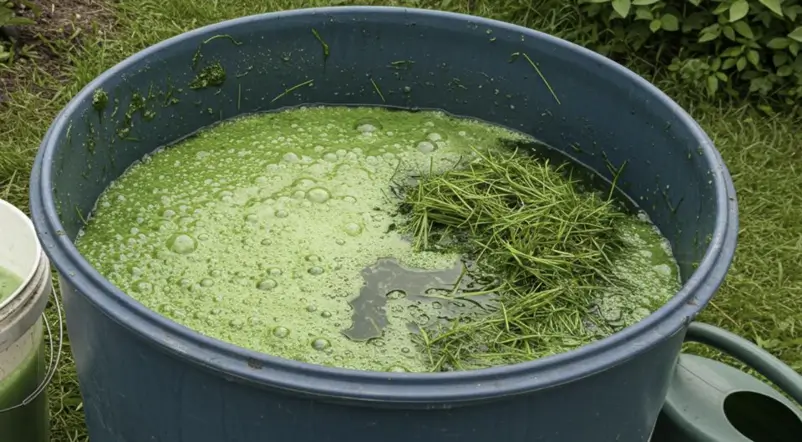
Fresh grass clippings contain nitrogen.
Recipe
- Fill a bucket halfway with grass clippings.
- Add water.
- Let it steep for 3–5 days.
- Strain and dilute with equal parts water.
Water plants with the solution.
Best For
- Lawns
- Leafy greens
- Corn
- Spinach
10. Vegetable Cooking Water
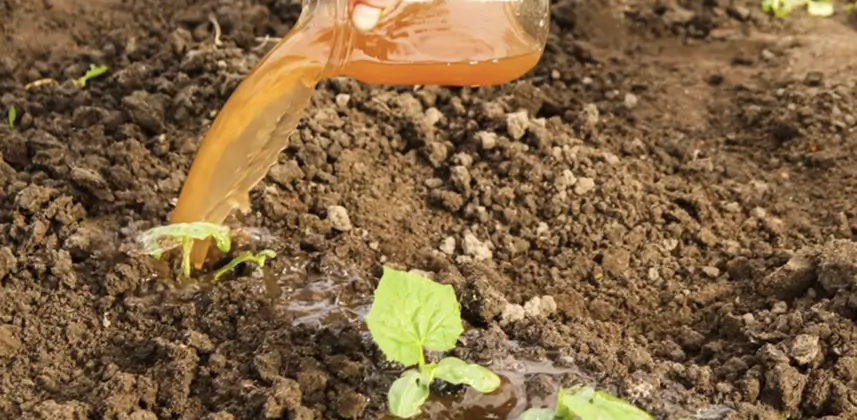
Water left after boiling vegetables contains dissolved nutrients.
How to Use
- Allow it to cool completely.
- Water plants with it.
Do not use water containing butter, oil, or salt.
Best For
- Houseplants
- Herbs
- Vegetables
11. Weed Tea Fertilizer
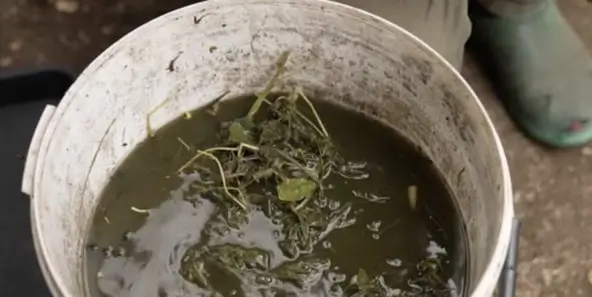
Many weeds are packed with nutrients.
How to Make
- Fill a bucket with weeds.
- Cover with water.
- Allow to steep for one to two weeks.
- Strain before use.
Dilute before watering plants.
Best For
- Vegetable gardens
- Flower beds
- Shrubs
12. Compost Tea
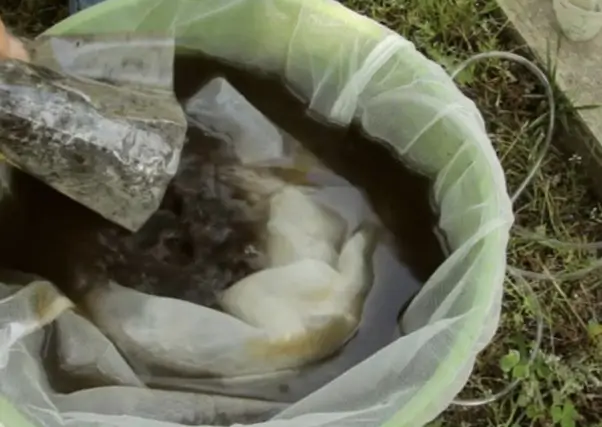
Compost tea delivers beneficial microorganisms directly to plant roots.
Recipe
- Place finished compost into a cloth bag.
- Soak it in a bucket of water for 24–48 hours.
- Stir occasionally.
- Use immediately.
Best For
- Seedlings
- Vegetables
- Flowers
- Fruit trees
Why Use Homemade Fertilizer?
DIY fertilizers offer several benefits over synthetic products.
Cost-effective
Most ingredients are already in your kitchen or garden, making homemade fertilizer nearly free.
Environmentally Friendly
Instead of throwing away food scraps, you recycle them into valuable plant nutrients.
Improves Soil Health
Organic fertilizers feed beneficial microbes, improving soil structure and moisture retention.
Safe for Most Plants
When used correctly, homemade fertilizers release nutrients slowly, reducing the risk of fertilizer burn.
Essential Nutrients Plants Need
Understanding plant nutrition helps you choose the right fertilizer.
- Nitrogen (N): Promotes leafy green growth.
- Phosphorus (P): Supports strong roots, flowers, and fruit production.
- Potassium (K): Improves disease resistance and overall plant health.
- Calcium: Strengthens cell walls.
- Magnesium: Essential for chlorophyll production.
- Micronutrients: Iron, zinc, manganese, copper, and boron support healthy development.
Homemade Fertilizer Application Tips
For the best results:
- Apply fertilizers during the growing season.
- Water plants after applying dry fertilizers.
- Avoid overfeeding plants.
- Test your soil if possible.
- Rotate different organic fertilizers throughout the season.
- Store homemade mixtures in sealed containers when necessary.
Homemade Fertilizers to Avoid
Not every household product benefits plants.
Avoid using:
- Salty cooking water
- Bleach-containing water
- Cooking oil
- Fresh meat scraps
- Dairy products
- Pet waste
- Excess vinegar
These materials may damage plants or attract pests.
Which Homemade Fertilizer Is Best?
The ideal fertilizer depends on your plants.
- Compost provides balanced nutrition for almost every plant.
- Banana peels supply potassium for flowering and fruiting plants.
- Eggshells add calcium.
- Coffee grounds boost nitrogen for leafy growth.
- Epsom salt supplies magnesium.
- Compost tea offers beneficial microbes and gentle nutrients.
Combining several organic fertilizers throughout the growing season usually delivers the best results.
Final Thoughts
Homemade fertilizer for plants is an easy and sustainable way to nourish your garden without spending much money. Kitchen scraps like banana peels, eggshells, coffee grounds, rice water, and vegetable cooking water can all provide valuable nutrients that help plants thrive.
The key is to apply these natural fertilizers in moderation and match them to your plants’ specific nutrient needs. Over time, regular use of homemade fertilizers improves soil quality, encourages beneficial microorganisms, and supports healthier, more productive plants. Whether you’re growing vegetables, flowers, herbs, or indoor plants, these simple DIY fertilizers can help create a thriving garden while reducing household waste.