


Ironite has become a popular choice for gardeners seeking a quick and effective way to enhance their lawn’s color and health.
This guide explores what Ironite is, how it works, its benefits, and how to use it safely and effectively on your lawn.
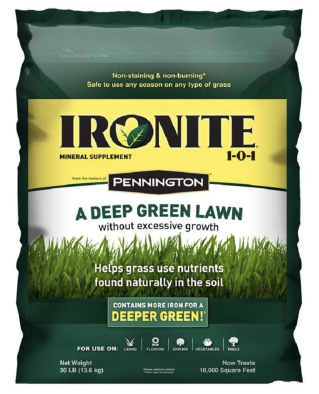
Ironite for Lawns
Ironite works by supplying chelated iron, a form of iron that is readily absorbed by the grass roots. When applied to the soil, it penetrates the root zone and provides an immediate source of iron to the grass. This helps the grass synthesize chlorophyll more efficiently, resulting in a deeper green color.
Unlike some fertilizers, Ironite does not promote excessive growth. Its primary function is to enhance color and lawn health, not to feed the lawn for rapid growth. This makes it ideal for homeowners who want a vibrant lawn without the risk of over-fertilization or thatch buildup.
Related Lawn Disease Identification Chart(For All Diseases Types + Control)
Benefits of Using Ironite on Your Lawn
1. Promotes Rich Green Color
The most noticeable benefit of Ironite is the improved color. Lawns suffering from yellowing due to iron deficiency can turn a deep, vibrant green after just a few applications. This effect is particularly noticeable in cool-season grasses like Kentucky bluegrass, fescue, and perennial ryegrass.
2. Corrects Iron Deficiency
Iron deficiency in grass can be caused by alkaline soil, poor drainage, or compacted soil. Ironite provides a direct source of iron, correcting chlorosis and helping the grass thrive. This is especially beneficial in areas with naturally high pH soils, where iron is less available to plants.
3. Improves Overall Lawn Health
While Ironite doesn’t replace standard fertilizers, it strengthens the lawn by supporting chlorophyll production. Healthier grass has better photosynthesis, improved root development, and greater resistance to stress, pests, and diseases.
4. Safe for Lawns and Surrounding Plants
Ironite is generally safe for lawns and other garden plants when used according to the instructions. It does not contain harsh chemicals that can burn the grass, making it suitable for residential yards, golf courses, and public green spaces.
5. Long-Lasting Effects
Granular Ironite releases iron slowly over time, providing weeks of gradual nutrient availability. This slow-release action ensures that your lawn maintains its vibrant color without frequent applications.
Related Common Bermuda Mowing Height(For All Equipments)
What is Ironite?
Ironite is a granular lawn fertilizer that primarily contains iron (Fe), along with other essential micronutrients. Iron is a vital nutrient for plants, playing a crucial role in chlorophyll production, which gives grass its rich green color.
Unlike standard fertilizers that focus on nitrogen, phosphorus, and potassium (N-P-K), Ironite targets iron deficiencies that often cause yellowing grass.
Ironite comes in two main forms: liquid and granular, though the granular version is the most commonly used for lawns. It is specifically designed to correct iron chlorosis, a condition where grass turns yellow despite adequate watering and fertilization.
Related Lawn Weed Identification Chart(For All Weed Types)
How to Use Ironite Effectively
To get the best results, it’s important to apply Ironite correctly. Here’s a step-by-step guide:
- Test Your Soil: Before applying any lawn treatment, test your soil’s pH and nutrient levels. Ironite works best in slightly acidic to neutral soil (pH 6–7).
- Choose the Right Time: Apply Ironite during the growing season. For cool-season grasses, spring and fall are ideal. For warm-season grasses, late spring through summer works best.
- Measure Properly: Follow the instructions on the package for application rates. Over-application can lead to soil imbalance or unsightly rust-colored residue on sidewalks and driveways.
- Even Distribution: Use a broadcast spreader for granular Ironite to ensure even coverage. Avoid clumping, which can cause uneven coloration.
- Water In: After application, lightly water the lawn to help the iron penetrate the soil and reach the roots. Avoid overwatering immediately afterward, which can wash away the nutrients.
- Repeat as Needed: Depending on soil conditions and grass type, you may need to reapply Ironite every 6–8 weeks during the growing season.
Related Bermuda Seed per Acre(Find Out Ideal Pounds)
Tips and Precautions
- Avoid Overuse: While iron is essential, too much can cause staining and may affect soil chemistry. Stick to recommended doses.
- Protect Hard Surfaces: Ironite can stain driveways, patios, and sidewalks. Sweep off any granules that land on these surfaces.
- Combine with Fertilizer: Ironite is best used in combination with a balanced lawn fertilizer. This ensures your grass gets all the nutrients it needs for growth and color.
- Monitor Grass Response: Keep an eye on your lawn after the first application. If the grass shows no improvement, you may need a soil test to identify other nutrient deficiencies.
FAQs
When should you put Ironite on your lawn?
Ironite should be applied during the growing season when your grass is actively growing. For cool-season grasses, the best times are spring and fall, while warm-season grasses respond well in late spring through summer. Applying it during dormancy or extreme heat may reduce effectiveness.
What happens if you put too much Ironite on your lawn?
Over-application of Ironite can cause rust-colored staining on sidewalks, driveways, and patios. While it rarely burns grass when used as directed, excessive amounts can create soil imbalances and may temporarily affect grass health. Always follow the recommended rates.
How do I know if my lawn needs iron?
A lawn that is yellowing despite proper watering and fertilization is often showing signs of iron deficiency, known as chlorosis. Other indicators include slow growth and pale green or yellow patches, especially between leaf veins. A soil test can confirm iron deficiency before treatment.
Does liquid Ironite need to be watered in?
Yes, after applying liquid Ironite, lightly watering the lawn helps the iron penetrate the soil and reach the roots. However, avoid heavy watering immediately after application, as this can wash away the nutrients before they are absorbed.
How long does it take for Ironite to work?
Most lawns show noticeable color improvement within 7–14 days of application. Some grass types may respond faster, while areas with severe deficiencies may require multiple applications for full results.
Final words
Ironite is a reliable and effective solution for homeowners seeking a vibrant, healthy lawn. By supplying essential iron, it corrects deficiencies, enhances color, and improves overall lawn health. With proper application and care, Ironite can transform a dull, yellowing lawn into a lush, green outdoor space that stands out in your neighborhood.