


Choosing the right lawn mower transaxle fluid is not just about keeping things moving, it directly affects performance, steering response, lifespan, and maintenance costs.
Some transaxles use conventional motor oil, others require synthetic hydrostatic fluid, and some heavy-duty units rely on gear oil formulations.
In this guide, we’ll break down what transaxle fluid does and how to choose it.
Lawn Mower Transaxle Fluid
1. Lucas Oil 80W-90 Heavy Duty Gear Oil
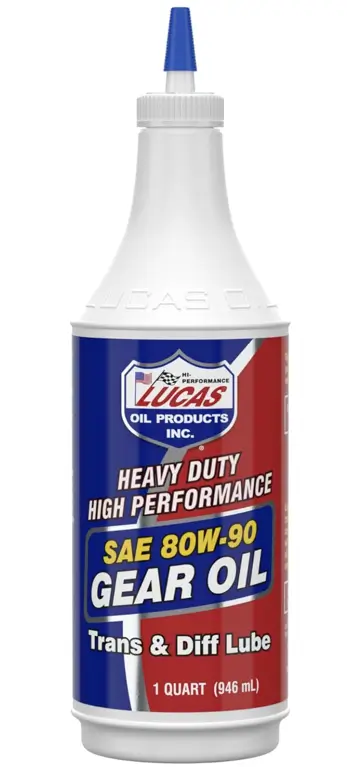
Best for gear-driven transaxles instead of hydrostatic systems.
Key Features:
- High-pressure protection for gears
- Reduces metal wear under heavy torque
- Excellent for rough terrain mowing
- Strong anti-foaming additives
- Long-lasting lubrication film
2. Mobil 1 15W-50 Full Synthetic Motor Oil
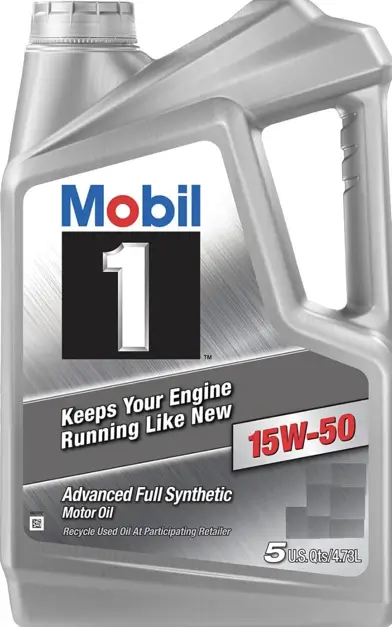
A popular choice for hydrostatic transaxles requiring thicker oil under load.
Key Features:
- Full synthetic formulation for high-temperature stability
- Excellent wear protection for hydrostatic systems
- Maintains viscosity under heavy load
- Reduces internal friction and heat
- Suitable for zero-turn mowers and lawn tractors
Related Hydro Oil for Zero Turn Mower(Top 5 BEST Picks 2026)
3. Castrol GTX High Mileage 20W-50 Synthetic Oil
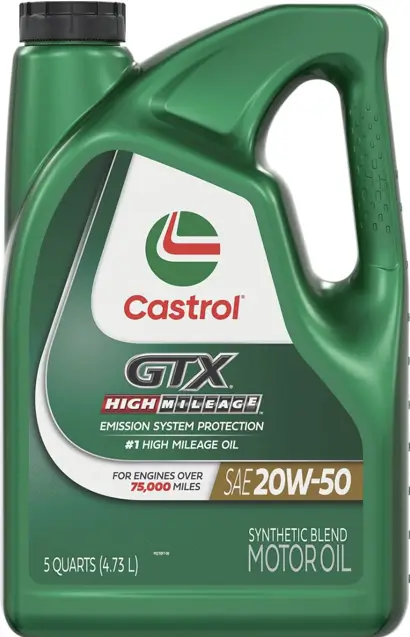
A Castrol GTX High Mileage 20W-50 Synthetic is recommended for Hydro-Gear systems.
Key Features:
- Thick oil ideal for hydrostatic transaxles
- Strong film strength for gear and pump protection
- Good performance in hot climates
- Helps reduce noise and vibration
- Widely compatible with many mower brands
Related Hydrostatic Transmission Slipping When Hot (8 Causes + Solutions)
4. Tuff Tech 10W-30 Hydrostatic Transmission Fluid
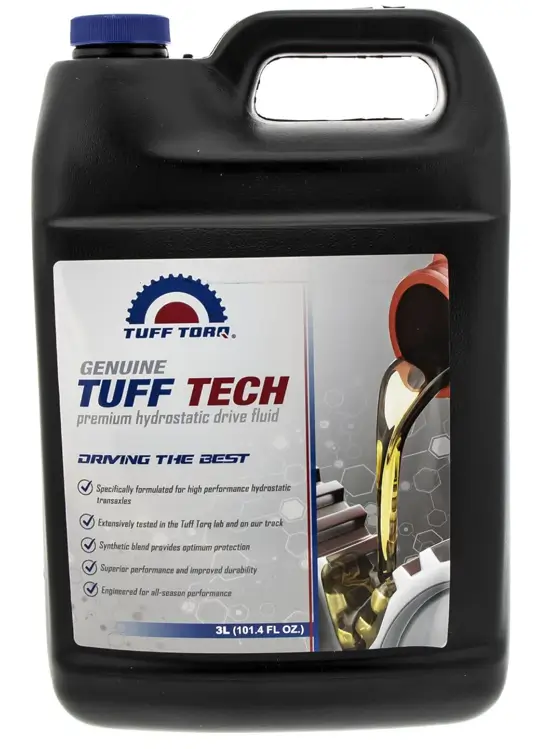
Designed specifically for hydrostatic mower systems.
Key Features:
- Optimized for hydro pumps and motors
- Stable viscosity across temperature changes
- Improves smooth forward/reverse control
- Reduces sludge formation
- Extends transaxle lifespan under frequent use
Related Starter Fluid for Lawn Mower(Top 5 Best Picks 2026)
5. Shell Rotella T6 5W-40 Full Synthetic Diesel Oil
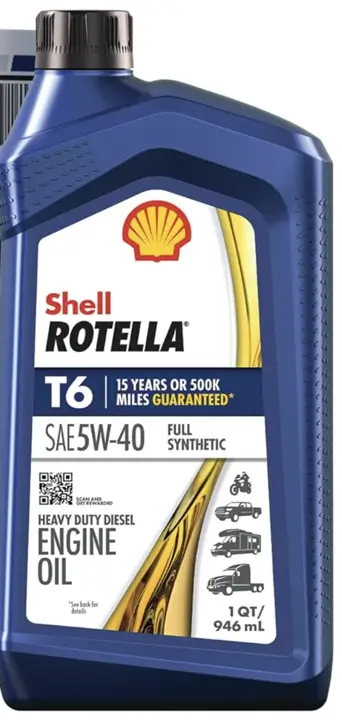
A versatile synthetic oil often used in hydrostatic mower systems.
Key Features:
- Strong thermal stability in extreme heat
- Excellent detergent properties keep systems clean
- Works well in high-load mowing conditions
- Resists oxidation and breakdown
- Suitable for year-round use
Related Scag Mower Hydraulic Oil(Top 3 Best Picks 2026)
What is Lawn Mower Transaxle Fluid?
Transaxle fluid is a lubricant designed to reduce friction inside the transmission-axle system of a riding mower. Depending on the design, it may function as:
- A hydraulic medium (hydrostatic transaxles)
- A gear lubricant (mechanical transaxles)
- A cooling and protective oil for sealed systems
Its main roles include:
- Lubricating gears and bearings
- Reducing heat buildup
- Preventing metal-to-metal wear
- Carrying away contaminants
- Ensuring smooth wheel drive response
Some systems are “sealed for life,” but many still benefit from periodic fluid replacement for longer service life.
Related Bad Boy Mower Hydraulic Fluid(Top 3 Best Picks 2026)
Types of Transaxle Fluids Used in Lawn Mowers
Before choosing a product, it’s important to understand the common fluid types:
1. SAE Motor Oil (10W-30 / 20W-50)
Used in many hydrostatic transaxles. It provides good lubrication and is widely available.
2. Synthetic Hydrostatic Transmission Oil
Designed for heavy-duty use, better temperature stability, and longer life.
3. Gear Oil (80W-90 or similar)
Used in mechanical gear-driven transaxles for maximum protection under load.
4. Manufacturer-Specific Fluids
Some brands require proprietary blends for warranty compliance.
Related Transmission Fluid for Lawn Mower(Top 5 Best Picks 2026)
How to Choose the Right Transaxle Fluid
Selecting the correct fluid depends on your mower type:
- Hydrostatic transaxles → 10W-30, 20W-50, or synthetic hydro fluid
- Gear-driven transaxles → 80W-90 gear oil
- Always check manufacturer specifications first
- Consider the climate (hot weather often needs thicker oil)
- Synthetic oils last longer under heavy use
Using the wrong fluid can reduce performance or damage seals and pumps over time.
How Often Should You Change Transaxle Fluid?
Not all mowers require frequent changes, but general guidance is:
- Light residential use: every 2–3 years
- Heavy use: once per season
- Commercial use: every 300–500 hours
Some sealed systems are labeled “lifetime,” but many technicians still recommend periodic replacement for better longevity.
Common Signs of Low or Bad Transaxle Fluid
- Sluggish movement or slow response
- Jerky forward or reverse motion
- Excessive heat from the rear axle area
- Strange whining or grinding noises
- Reduced hill-climbing power
If you notice these signs, fluid inspection is recommended immediately.
FAQs
What oil to use in lawn mower hydrostatic transmission?
Most lawn mower hydrostatic transmissions use either SAE 20W-50 motor oil or a manufacturer-approved hydrostatic transmission fluid. Some systems, especially Hydro-Gear and similar units, may also specify 10W-30 or synthetic 5W-50, depending on operating temperature and model. Always check your mower manual because using the wrong viscosity can affect pump pressure and performance.
Is transaxle fluid the same as hydraulic fluid?
Not exactly. While they may look similar, transaxle fluid and hydraulic fluid are formulated for different systems. Transaxle fluid is designed for gear and axle lubrication combined with transmission function, while hydraulic fluid is mainly for pressure transfer in hydraulic systems. Some hydrostatic mower systems use oil that behaves like both, but they are not universally interchangeable.
Can I use hydraulic fluid in a hydrostatic transmission?
In some cases, yes, but only if the manufacturer specifically allows it. Many hydrostatic transmissions are designed to use motor oil or hydrostatic-specific fluid, not standard hydraulic fluid. Using the wrong type can lead to poor lubrication, seal damage, or reduced pump efficiency. Always verify compatibility before substitution.
What can I use instead of hydrostatic fluid?
If original hydrostatic fluid is unavailable, some mowers may accept:
- SAE 20W-50 motor oil
- SAE 10W-30 motor oil (in cooler climates)
- Manufacturer-approved equivalents (like synthetic hydrostatic oils)
However, substitutions should only be used if the manual explicitly allows them. Mixing or guessing can shorten transmission life.
What is a transaxle fluid?
Transaxle fluid is a lubricant used inside a transaxle system, which combines the transmission and axle into one unit. It reduces friction between gears, helps cool the system, and ensures smooth power transfer from the engine to the wheels. Depending on the design, it can be motor oil, gear oil, or specialized hydrostatic fluid.
What is the difference between a transmission and a transaxle?
A transmission is a standalone component that transfers power from the engine to the drivetrain. A transaxle, however, combines both the transmission and the axle into a single integrated unit. In lawn mowers, transaxles are common because they are compact, efficient, and easier to package for rear-wheel or zero-turn drive systems.
Final Thoughts
Lawn mower transaxle fluid plays a critical role in keeping your mower reliable, smooth, and long-lasting. Whether you’re using a hydrostatic zero-turn mower or a gear-driven tractor, the right lubricant ensures efficient power transfer and reduces wear on internal components.
Products like Mobil 1 15W-50, SAE 20W-50 oils, and dedicated hydrostatic fluids remain among the most trusted choices for homeowners and professionals alike.
Choosing the correct fluid and maintaining proper levels is one of the simplest ways to extend the life of your mower’s drivetrain and avoid expensive repairs.